Discover the Best Hair Color Trends to Transform Your Hair
Key Takeaways
- Comprehending the nuances of hair pigmentation
- Selecting the appropriate shade for your locks
- Methods for applying hair dye effectively
- Caring for and preserving hair color
- At-home coloring versus expert assistance
- Current styles and fashions in hair dyeing
Understanding Hair Color
Hair color is a fascinating aspect of human beauty that reflects both genetic makeup and personal style. The science behind hair pigmentation involves complex biological processes determining the color produced by melanin, a natural pigment. Variations in hair color range from the rich hues of dark browns and blacks to the lighter tones of blondes and reds, showcasing the diversity of human appearance. Hair color choices have expanded with the advent of artificial dyes, allowing individuals to express themselves in ways that were once unimaginable. Understanding the nuances of hair color can empower people to make informed decisions about their own hair, enhancing their overall look and confidence.
The Science Behind Hair Pigmentation
Hair color is primarily determined by the amount and type of melanin present in each strand. Melanin is produced by specialized cells called melanocytes, which are influenced by genetic factors. There are two main types of melanin: eumelanin, contributing to black and brown shades, and pheomelanin, responsible for red and yellow hues. Understanding this biological basis helps colorists predict how different dyes will interact with natural hair, allowing for customized results at the color bar.
The process of changing hair color involves altering the melanin levels through various chemical reactions. Dyes can penetrate the hair shaft to either lighten or deposit color, depending on the desired outcome. Colorists must consider several factors, including hair texture and porosity, to achieve the best results. This scientific approach not only enhances the aesthetic appeal of hair color but also informs techniques used in salons to create unique and vibrant shades.
Types of Hair Color (Natural vs. Artificial)
Natural hair color comes from the pigmentation produced by melanin in the hair follicles. This pigment varies from person to person, resulting in shades ranging from black to blonde. While maintaining natural hair color often requires less upkeep, exposure to elements and hair products like shampoo can still lead to fading. Many individuals choose to enhance their natural hue with subtle highlights or lowlights, which can be easily achieved at a salon.
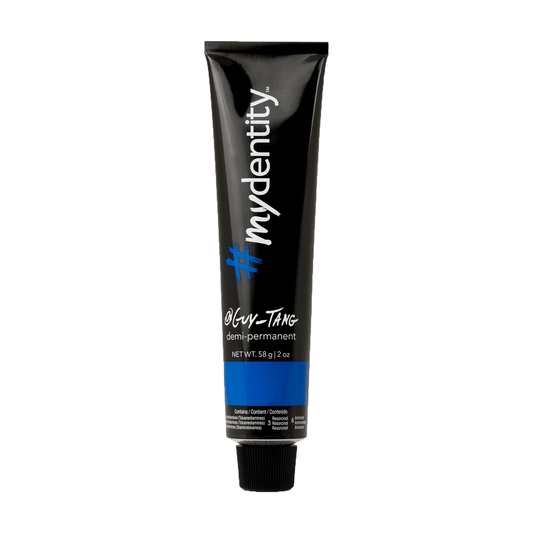
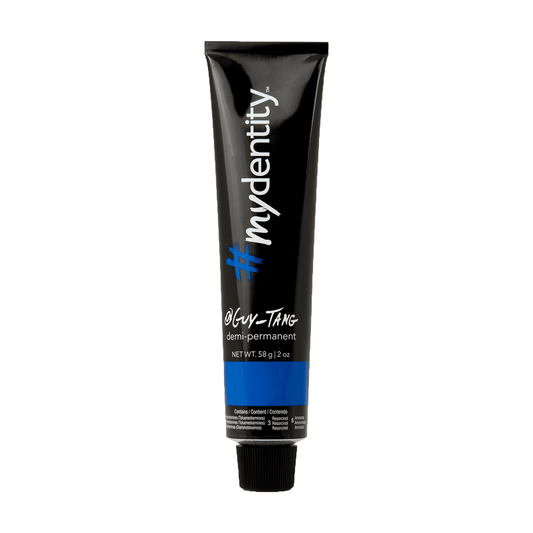
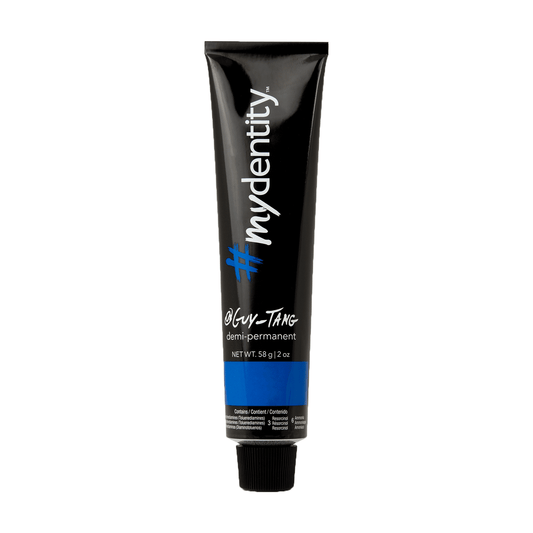
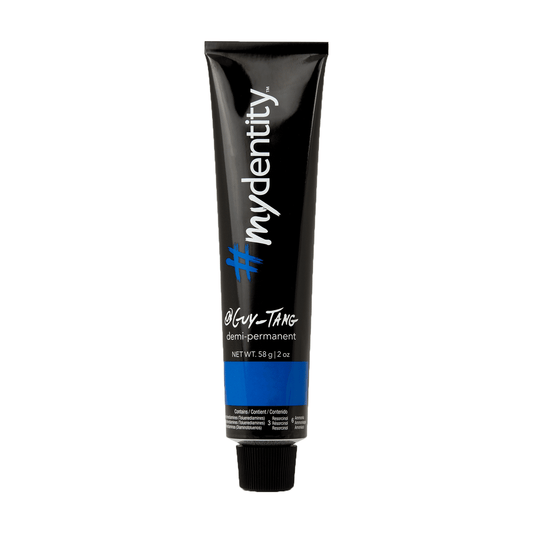
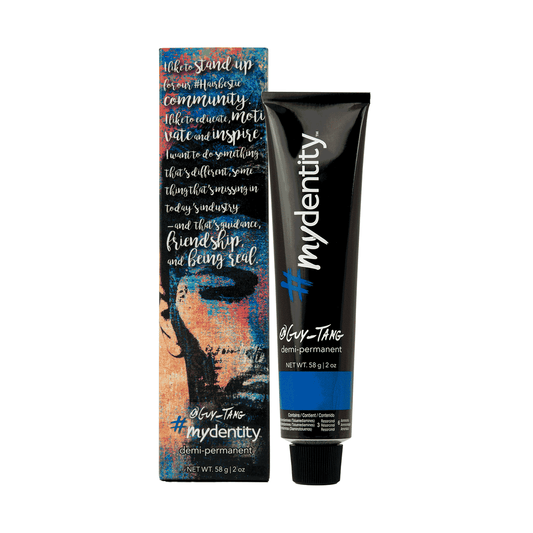
Artificial hair color is created using synthetic dyes and can offer a wide array of vibrant and unique shades not found in nature. This option allows for significant transformations, whether opting for a bold red or a pastel blue. Maintaining artificial hair color requires special care, including the use of color-safe shampoo and conditioners to preserve vibrancy. Regular visits to the salon may be necessary for touch-ups and to ensure the integrity of the hair remains intact.
Choosing the Right Hair Color
Selecting the perfect hair color involves a careful assessment of various factors to ensure a flattering result. One essential element is understanding the difference between permanent hair color and semi-permanent options, as these can significantly affect both longevity and vibrancy. Many salons now offer specialized hair color bars, where trained professionals can provide personalized recommendations based on hair type and desired outcomes. Knowing your skin tone plays a crucial role in this process, as it helps to enhance natural features and create a cohesive look. Ultimately, taking the time to evaluate these aspects will lead to a more satisfying hair color experience.
Factors to Consider Before Coloring
Choosing the right hair color involves assessing your hair history. Previous treatments such as bleaching or coloring can impact how well a new color will adhere to your strands. Understanding your hair's condition is crucial as damaged hair may not hold color effectively, leading to uneven results. Always consider past experiences with hair color to inform your decision-making process.
Your lifestyle also plays a significant role in the decision to change your hair color. If you lead a busy life, you might want to avoid colors that require frequent touch-ups. Some shades, particularly vibrant or unconventional colors, may demand more maintenance. Personal factors such as skin sensitivity or allergies to hair color products should also be evaluated to ensure a safe and satisfying coloring experience.
Matching Hair Color with Skin Tone
Choosing the right hair color can dramatically enhance your overall appearance, bringing harmony between your locks and your complexion. Understanding your skin tone is crucial in achieving salon-worthy hair that reflects your personal style and hair goals. Cool undertones often pair well with ashy or platinum shades, while warm undertones typically shine in golden or honey hues.
Experimenting with shades that complement your skin tone can transform your look, making it more polished and intentional. Those with neutral undertones have the flexibility to pull off a wide range of colors, from deep chestnut to rich auburn. Accentuating your natural beauty through the right hair color paves the way for confidence and satisfaction in your hair goals.
Hair Color Techniques
Various methods exist for applying color to hair, each offering distinct results and levels of complexity. Traditional dyeing methods, often involving a color system based on primary and secondary shades, have long been favored for their reliability and vibrant outcomes. However, modern techniques such as balayage, ombre, and highlights have gained popularity for their ability to create dynamic, multi-dimensional looks while allowing for more natural color transitions. Regardless of the technique chosen, effective color care is essential to maintain vibrancy and ensure the longevity of the Hair Color, emphasizing the importance of using the right products and maintenance routines.
Traditional Dyeing Methods
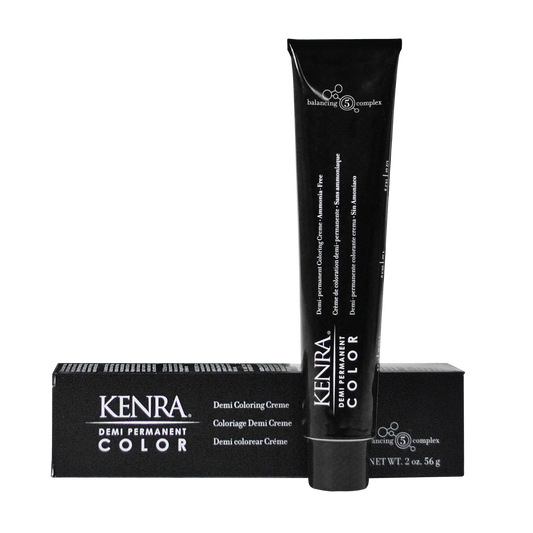
Using traditional techniques for hair color can yield stunning results, particularly with the application of permanent dyes. Selecting the right permanent color is crucial to achieving the desired shade. Brands like IGK Color offer a variety of options tailored to different base hair colors and textures, making it easier for individuals to find the perfect match.
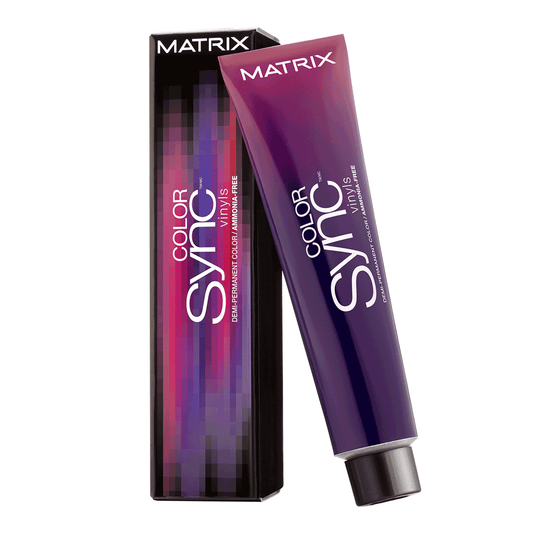
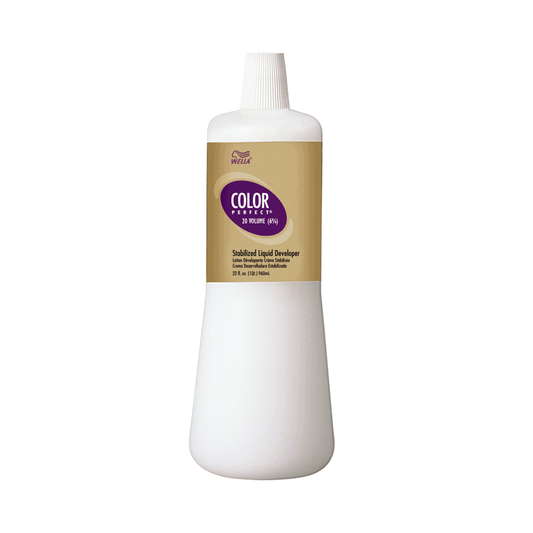
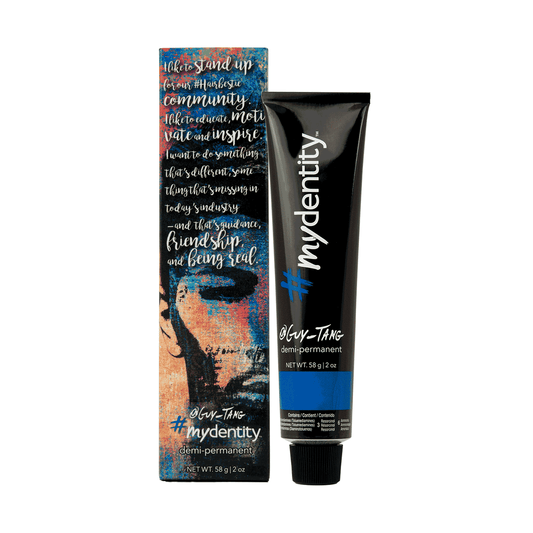
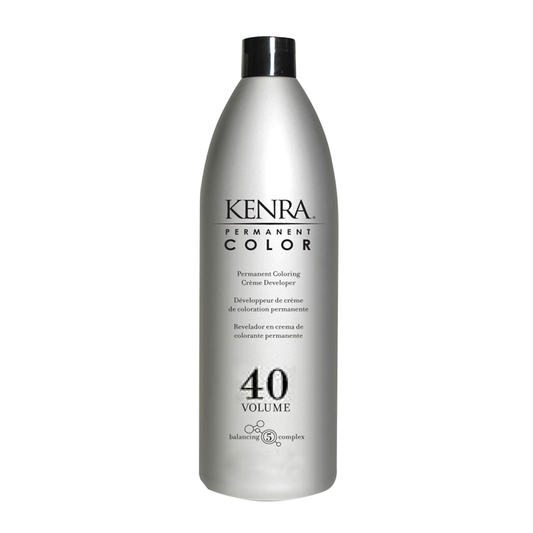
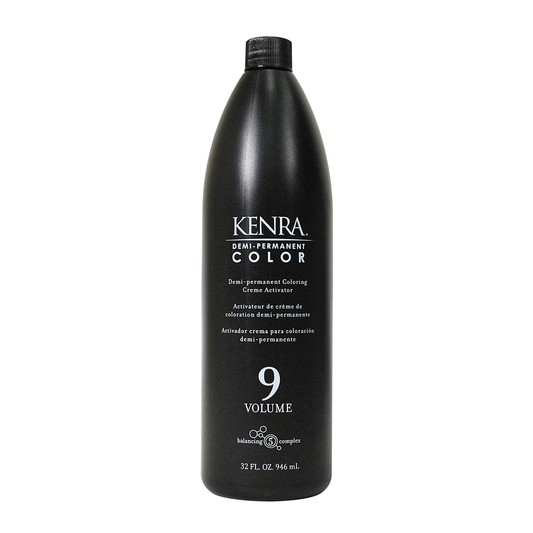
The process typically involves a careful blending of color and developer, ensuring even application throughout the hair. This method often provides long-lasting results, allowing individuals to enjoy their new hair color for weeks. Understanding the fundamentals of traditional dyeing can empower people to make informed choices about their hair color journey.
Modern Techniques: Balayage, Ombre, and Highlights
Balayage, ombre, and highlights represent innovative hair color techniques that allow for a more natural and dimensional look. Balayage involves hand-painting color onto the hair, creating a sun-kissed effect that blends seamlessly with existing tones. Ombre provides a striking gradient effect, transitioning from darker roots to lighter ends. Both methods benefit greatly from the use of a professional color tool, ensuring precision and enhancing the overall aesthetic.
Maintaining the vibrancy of these modern hair color techniques requires the right products, including a quality therapy hair mask to nourish and hydrate color-treated strands. These masks help preserve color while restoring moisture, keeping hair healthy and vibrant. Adopting these techniques can dramatically elevate one's overall appearance, making hair color not just a choice but a significant aspect of personal style.
Hair Color Maintenance
Maintaining vibrant hair color requires the right products and care techniques. Using an 8-free formula hair product can significantly improve the longevity and health of color-treated hair. These formulas avoid harsh chemicals, making them gentler on the strands while still effectively cleaning and conditioning. Regular visits for professional color services can also help manage the fading and ensure that your hair remains looking fresh and vibrant. Adopting a tailored maintenance routine not only preserves the brilliance of your hair color but also promotes overall hair health.
Best Products for Color-Treated Hair
Selecting the right products is crucial for maintaining the vibrancy of your hair color. Shampoos and conditioners specifically formulated for color-treated hair help prevent fading while nourishing the strands. Brands like colorsolve have gained popularity for their gentle formulations that preserve the integrity of hair color. Using these products regularly can significantly enhance the longevity of your color.
Styling products also play an essential role in protecting hair from damage. Heat protectants are vital for those who frequently use styling tools. Participating in color house parties can provide opportunities to discover new products and techniques tailored to your hair color needs. Investing in high-quality styling products can make a noticeable difference in the appearance and feel of your color-treated hair.
Tips for Prolonging Hair Color Vibrancy
Maintaining the vibrancy of your hair color requires thoughtful care and specific products. Utilizing a leave-in blonde treatment can help keep blonde shades bright and prevent brassiness. It is essential to choose sulfate-free shampoos and conditioners designed for color-treated hair, as these products preserve pigment and moisture. Regularly scheduled salon visits for touch-ups will also help maintain your desired shade over time.
Exploring options such as color bar memberships can provide you with access to exclusive treatments that enhance your hair color. These memberships often include discounts on products specifically formulated for color preservation. Focusing on a consistent routine at home while leveraging professional services can significantly extend the life of your hair color, keeping it looking fresh and vibrant.
DIY Hair Color vs. Professional Services
Choosing between at-home hair color and professional services can significantly impact your overall look. DIY hair color offers convenience and cost-effectiveness, allowing individuals to experiment with various shades and even cover grays at their own pace. However, achieving a flawless finish can be challenging without the expertise that professional colorists bring to the table. Professional services ensure precision in application and access to high-quality products, which can lead to richer, more vibrant hair color. Understanding the advantages and drawbacks of each option can help you make an informed decision about how to transform your hair.
Pros and Cons of At-Home Coloring
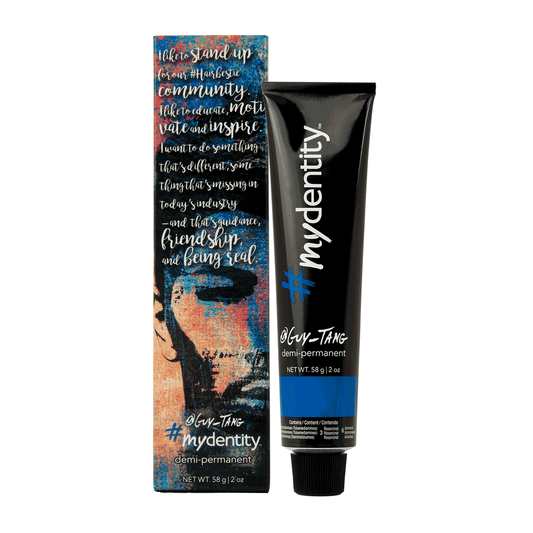
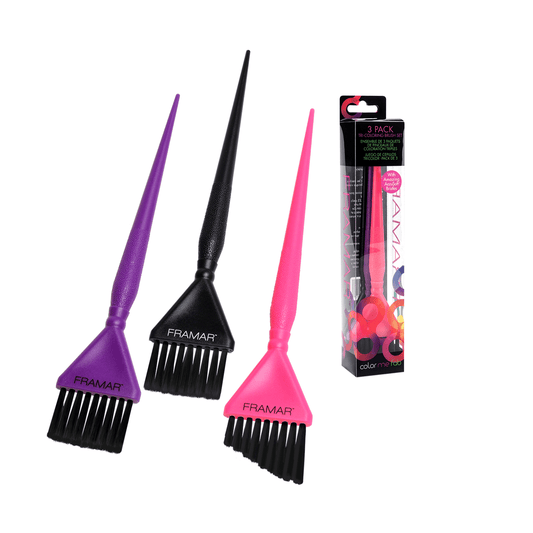
At-home hair color kits have surged in popularity, allowing individuals to experiment with fashion trends in the comfort of their own homes. These kits often come in a variety of cream formulations, making it easy to apply and customize the shade. The convenience of at-home coloring appeals to those looking to save time and money, as salon visits can be costly and time-consuming.
On the flip side, achieving a professional-looking result at home can be challenging. There is a risk of uneven application or selecting a hair color that doesn’t complement one’s natural tones. Without the guidance of a stylist, individuals may struggle with color matching and maintenance. This can lead to frustration and the potential for damage if improper techniques are used.
What to Expect from a Salon Experience
A salon experience for hair color typically begins with a thorough consultation. Stylists discuss your desired outcome, considering factors like your natural hair color and the specific highlights you want. This personalized approach helps ensure you achieve the best results. The stylist may also assess the condition of your hair to determine the most suitable products and techniques for the coloring process.
As the coloring process begins, you can expect a clean and comfortable environment. The application of hair color will vary depending on your chosen style; highlights may require foiling or balayage techniques. Throughout the appointment, the stylist will monitor the development of the color, ensuring it meets your expectations. The final results often include a professional blowout, leaving you with vibrant, beautiful hair color that you can proudly show off.
Trends in Hair Color
The world of hair color is constantly evolving, reflecting cultural shifts and individual expression. Colorists are at the forefront of these changes, experimenting with new shades and techniques to cater to diverse tastes. The rise of the color bar trend allows clients to explore a wide range of options, from bold hues to subtle balayage effects. Contemporary styles often blend natural looks with vibrant pops of color, offering something for everyone. As social media showcases various hair color transformations, it inspires more people to embrace their unique style and personal flair.
Conclusion
Understanding the varied aspects of hair color is essential for achieving the desired look. Hair color encompasses a range of techniques, from traditional dyeing methods to modern styles like balayage and highlights. The choice between DIY hair color and professional services can significantly impact the outcome. Careful consideration of factors such as skin tone and hair maintenance ensures that the vibrancy of hair color lasts longer. Staying informed about trends also contributes to making confident decisions regarding hair color transformations.
FAQS
What are some popular trends in hair color for different seasons?
Popular trends in hair color can vary by season, with lighter shades often favored in the spring and summer and richer tones preferred in the fall and winter. Techniques like balayage and ombre are also popular for adding dimension to hair color throughout the year.
How can I choose the right hair color that suits my skin tone?
To choose the right hair color, consider your skin undertones and natural hair color. Warm skin tones typically look great with golden, honey, or caramel shades, while cooler tones often suit ash, platinum, or burgundy colors. It's also beneficial to consult with a professional colorist who can help you select a shade that complements your features.
What factors should I consider when selecting a hair color for a special event?
When selecting a hair color for a special event, consider factors such as the theme of the event, your outfit, and how the color will enhance your overall look. Make sure the hair color complements your skin tone and hair type, as well as your personal style, to create a cohesive appearance.
What techniques can I use to maintain vibrant hair color between salon visits?
To maintain vibrant hair color, consider using color-protecting shampoos, deep conditioning treatments, and regular touch-ups for roots. Additionally, reduce heat styling and protect your hair from sun exposure to help your hair color last longer.
What are some expert tips for transitioning to a new hair color without damaging my hair?
To transition to a new hair color without damaging your hair, it's important to consult with a professional stylist who can recommend suitable shades based on your current color and hair condition. Additionally, preparing your hair with deep conditioning treatments and avoiding harsh chemicals can help maintain hair health during the transition. Always follow up with at-home care products specifically designed for colored hair to keep it vibrant and healthy.